en
 English
+
Metal oxide arresters (MOAs) are essential components in modern power systems, designed to protect electrical equipment from lightning strikes and transient overvoltages. Their performance, reliability, and service life are largely determined by the materials used in their construction.
In this article, we explore the key materials used in metal oxide arresters and how they impact overall performance.
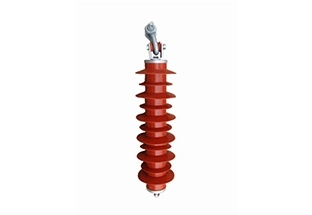
A metal oxide arrester is a surge protection device that limits overvoltage by diverting excess current to the ground. Compared to traditional silicon carbide (SiC) arresters, modern MOAs feature a gapless design, which provides faster response times and improved operational stability.
A typical MOA consists of:
Zinc oxide varistor blocks
Insulating housing
Internal electrodes and structural components
Among these, the varistor material is the most critical.
Zinc oxide (ZnO) is the primary material used in metal oxide arresters. It forms the nonlinear resistor blocks that enable the arrester to respond effectively to voltage surges.
Highly nonlinear electrical characteristics: Acts as an insulator under normal voltage and becomes conductive during surges
Fast response time: Provides immediate protection against transient overvoltage
High energy absorption capability: Handles large surge currents without damage
Stable gapless operation: Eliminates the need for spark gaps, improving reliability
Because of these advantages, Zinc oxide arrester has become the industry standard for surge arresters.
To achieve optimal electrical performance, zinc oxide is combined with small amounts of other metal oxides.
Bismuth oxide (Bi₂O₃)
Cobalt oxide (CoO)
Manganese oxide (MnO)
Antimony oxide (Sb₂O₃)
These additives play a crucial role in:
Improving nonlinearity
Controlling grain boundary formation
Enhancing thermal stability
Increasing long-term aging resistance
The formulation and processing of these materials directly influence the quality of the arrester.
The housing of a metal oxide arrester protects internal components from environmental factors such as moisture, pollution, and mechanical stress.
Traditional arresters use porcelain housings.
Advantages:
High mechanical strength
Good resistance to high temperatures
Limitations:
Heavy and fragile
More difficult to transport and install
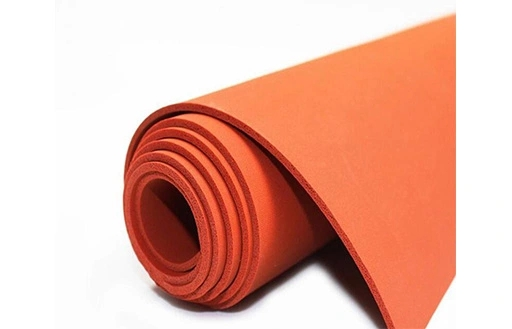
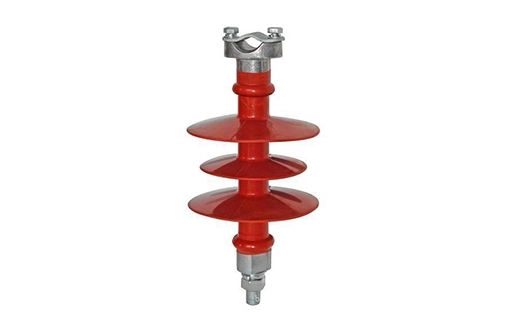
Modern arresters increasingly use silicone rubber housings.
Advantages:
Lightweight and easy to install
Excellent hydrophobic properties (repels water effectively)
Strong resistance to pollution and contamination
Reliable performance in harsh environments such as coastal and industrial areas
Polymer-housed arresters are now widely preferred due to their superior performance and durability.
In addition to the core and housing, several supporting materials are used:
Aluminum (lightweight and corrosion-resistant)
Copper (high electrical conductivity)
Epoxy resin for insulation
Fiber-reinforced plastic (FRP) for mechanical strength
Silicone rubber seals to prevent moisture ingress
These materials ensure mechanical integrity and long-term operational reliability.
The materials used in a metal oxide arrester directly affect its performance and service life.
Determines residual voltage levels
Influences response speed
Ensures safe operation under repeated surges
Prevents overheating and failure
Provides resistance to humidity, pollution, and UV exposure
Extends lifespan in demanding conditions
High-quality materials result in better protection and lower maintenance costs.
| Component | Material | Function |
|---|---|---|
| Varistor | Zinc Oxide (ZnO) | Surge protection |
| Additives | Bi₂O₃, CoO, MnO, Sb₂O₃ | Enhance electrical performance |
| Housing | Porcelain / Silicone Rubber | Insulation and protection |
| Electrodes | Aluminum / Copper | Electrical conduction |
| Structure | Epoxy / FRP | Mechanical support |
With the advancement of power systems, materials used in MOAs continue to evolve:
Improved ZnO formulations for higher energy handling
Advanced manufacturing processes for better consistency
Environmentally friendly materials
Integration with smart monitoring systems
These trends aim to enhance both performance and sustainability.
When selecting a metal oxide arrester, consider the following:
System voltage and application requirements
Environmental conditions (pollution, humidity, altitude)
Housing type (polymer or porcelain)
Compliance with IEC or ANSI standards
Manufacturer experience and quality control
Choosing the right supplier is just as important as selecting the right specifications.
Metal oxide arresters rely on advanced material engineering to provide effective surge protection. Zinc oxide, combined with carefully selected additives and durable housing materials, ensures high performance and long-term reliability.
For power utilities, industrial users, and equipment manufacturers, understanding these materials is key to making informed decisions and ensuring system safety.
If you are sourcing high-quality surge arresters for your projects, working with an experienced manufacturer ensures:
Consistent product quality
Compliance with international standards
Custom solutions for different applications
Contact us today to get technical support and a competitive quotation for your requirements.
This is the first one.